
Installing an Outdoor Amusement Park Train involves careful planning and execution. It’s not just about purchasing the train, but also about ensuring that it fits well within your park’s theme, operates safely, and provides a memorable experience for visitors. Here’s a comprehensive guide on what to consider when installing an outdoor amusement park train for sale:
1. Space and Track Layout
Available Space: Ensure you have enough space for the track layout and the train’s station. The track can be linear, circular, or winding, depending on the design and size of the park.
Terrain: Consider the natural terrain of your park. Is the ground level? Will you need to level the area or build elevated tracks? Some amusement park trains can be designed to run on hilly or uneven terrain, but this will impact the cost and complexity of installation.
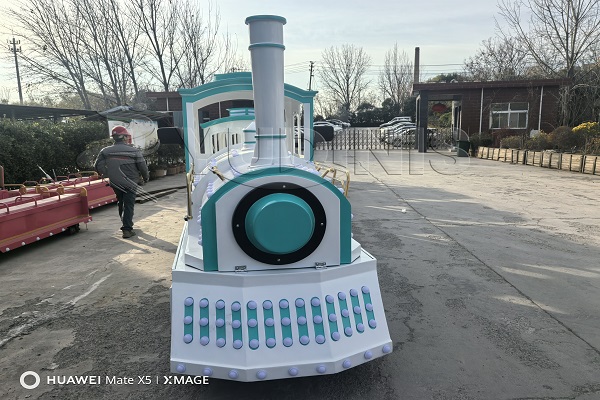
Track Design: Work with the manufacturer or an experienced engineer to design a track that makes the most of the available space. Will the train follow a loop, offer scenic views, or be part of a larger themed area?
2. Safety and Regulations
Local Regulations: Amusement parks are heavily regulated, and your train ride will need to comply with national and local safety standards. Ensure that the installation process adheres to these regulations to avoid costly delays or adjustments.
Safety Features: The train should come with necessary safety features such as emergency brakes, seat restraints (especially for children), and track safeguards. You’ll need to make sure the ride is designed with secure loading/unloading areas, adequate signage, and emergency procedures.
Certification: Ensure that the train amusement park ride meets all safety certifications and inspections required by governing bodies like the American Society for Testing and Materials (ASTM) or other relevant organizations. Regular safety audits will also be required after installation.
3. Choosing the Right Type of Train
Steam vs. Diesel vs. Electric: Decide whether you want a traditional steam-powered train for a nostalgic or classic experience, a diesel-powered train for durability and ease of maintenance, or an electric train for quieter operation and environmental sustainability.
Steam Trains: Offer a vintage, classic experience but require more maintenance, fuel, and expertise to operate.
Diesel Trains: Durable and easier to maintain, they provide a more modern ride experience.
Electric Trains: Quiet, eco-friendly, and often more cost-effective in the long run, electric trains are becoming increasingly popular in newer parks.
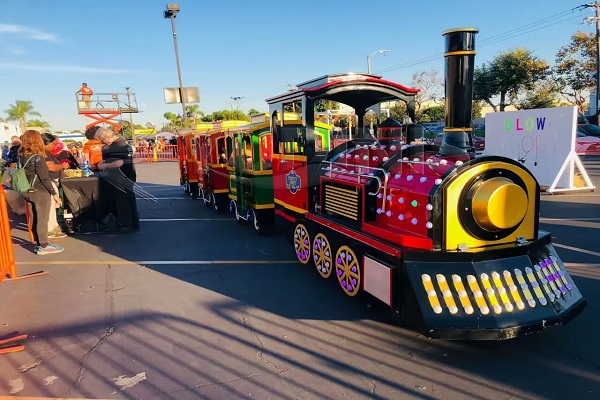
Capacity and Size: Determine how many passengers you want each train to carry. Larger parks with high visitor numbers may need larger, more robust trains, while smaller parks can operate with a more compact setup.
4. Design and Customization
Theming: The train should match the overall theme of the park. If your park has a Western, vintage, or fantasy theme, the train cars, station, and track design should all integrate seamlessly with the environment. Customization options for exterior and interior finishes are important to creating an immersive experience.
Train Cars: Decide on the type of theme park train amusement ride cars—whether they will be designed to look like traditional passenger cars, fantasy vehicles, or animal-themed carts. The interior design of the cars (e.g., seating arrangements, comfort, and accessibility) is just as important as the exterior.
Train Stations: The design of the boarding and disembarking areas should be user-friendly, with clear signage and ample space for loading/unloading. This area should be designed to flow smoothly, with minimal wait times and good guest flow.
5. Logistics and Site Preparation
Groundwork and Foundation: For track installation, you’ll need to ensure that the ground is prepared adequately. If the terrain is uneven, you may need to grade the site or build an elevated track. Consider any challenges posed by local weather (e.g., extreme rainfall or snow) and how these may affect the track foundation.
Electrical Setup: If you’re using electric trains, there will be an electrical infrastructure setup required, including power lines, substations, and backup power systems in case of a failure. For steam or diesel engines, ensure the necessary fuel storage and safety systems are in place.
Accessibility: The station, track, and train cars must be designed for accessibility. Ensure that the design accommodates guests with disabilities, including wheelchair access to the boarding platform and seating.
6. Budget Considerations
Cost of the Train: While the price of the train itself is a significant factor, remember that the overall cost includes track installation, station setup, signage, electrical setup (if applicable), and customization options. These additional costs can add up.
Installation Costs: Installation isn’t just about setting up the train itself but includes any groundwork, track laying, platform construction, and electrical work required. Factor in any permits and inspection fees as well.
Maintenance Budget: Consider the long-term costs of maintaining the train and track. Regular inspections, repairs, and upkeep (e.g., painting, cleaning, and parts replacement) are necessary to keep the train running safely and smoothly.
Operating Costs: Account for the costs of fuel (if using a steam or diesel engine) or electricity, and the wages of staff to operate the train. Make sure that these are factored into your operational budget.
7. Integration with Park Operations
Guest Flow and Queue Management: Amusement park trains often become a popular attraction, and managing guest flow to minimize wait times is crucial. Consider how the train ride fits into the larger layout of your park, including how guests will line up and how the train integrates with other attractions.
Scheduling: Depending on the size and popularity of your park, you’ll need to schedule train rides effectively to accommodate large crowds. Implement systems for crowd management and ensure there are enough trains running during peak times.
8. Environmental Considerations
Eco-Friendliness: Today’s park-goers often expect sustainable practices. If possible, consider using an electric or solar-powered train to reduce carbon emissions. Additionally, consider using materials that are eco-friendly when building the track and station. For example, steel material, frp material, etc.
Noise and Air Quality: Steam and diesel trains can create significant noise and air pollution. If your park is in a sensitive area, you may need to evaluate the environmental impact of your choice and consider quieter, cleaner alternatives.
9. Marketing and Branding
Creating an Iconic Attraction: The train ride can be a central feature of your park, becoming an iconic symbol. It’s essential to think about how to market the train to your visitors. Feature it prominently in park maps, social media, and advertising campaigns to draw attention.
Seasonal Considerations: A train ride can be especially appealing during certain seasons (e.g., holidays or themed events). Ensure that your train’s design and schedule fit with seasonal promotions and events to maximize visitor engagement.
10. Training and Staffing
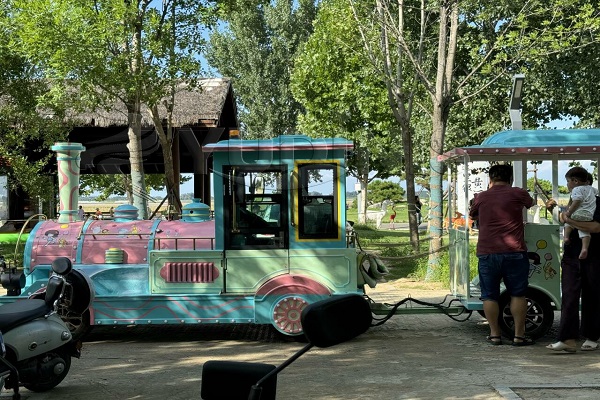
Staff Training: Ensure that your staff is fully trained in operating the train safely, managing guests during boarding, and handling emergency situations. This includes train conductors, maintenance personnel, and guest services staff.
Maintenance Crew: Hire or train a team specifically for maintaining the train and its track. Regular cleaning and inspections should be part of a weekly or monthly maintenance routine.
Conclusion
Installing an outdoor amusement park train requires careful planning, investment, and consideration of various factors. From choosing the right type of train and ensuring safety standards to the logistics of track installation and station setup, each decision impacts the long-term success of the ride. A well-designed train can become a flagship attraction for your park, offering visitors a unique, memorable experience. By focusing on these key considerations, you can ensure that your train installation is smooth, efficient, and provides maximum value to your park and its guests. If you want to know more information, click here: https://www.outdoorparkrides.com/outdoor-amusement-park-trains-for-sale/