
When considering the addition of an outdoor riding trains for kids to your recreational business or community park, it’s essential to weigh several factors to ensure the investment is fruitful and brings joy to little riders. These trains are not only a delightful attraction but also a significant commitment. Here are the key considerations to keep in mind before the tracks are laid for your mini locomotive adventure.
Safety First
Safety should be your paramount concern. Ensure the kids outdoor train and its carriages meet all relevant safety standards and regulations. Look for features like secure seating, protective barriers, and emergency stop mechanisms. Regular maintenance and inspections should be easy to conduct to keep the train in top condition.
Quality and Durability
kids train ride for outdoor must withstand various weather conditions and frequent use. High-quality materials and construction can prevent frequent breakdowns and repairs. Consider stainless steel or coated metals that resist rust and decay, and look for sturdy, vandal-resistant designs that can handle the playfulness of children.
Age Appropriateness
The train should be suitable for the age range of the children who will use it. This will determine the size, speed, and complexity of the train. For younger kids, a slow-moving train with simple operation is ideal, while older children might enjoy a train with more interactive elements.
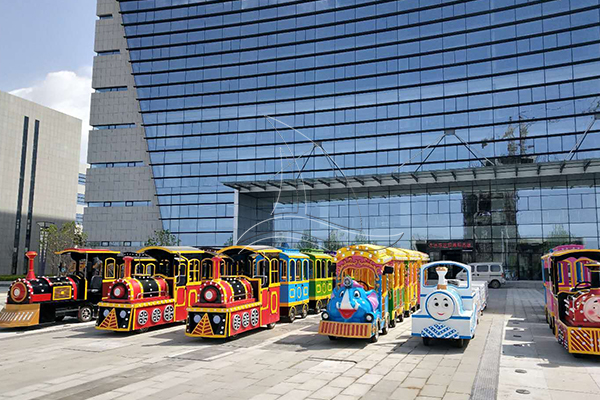
Theming and Aesthetics
A train that captures the imagination will be a hit. DINIS’s themed trains, antique steam engines or colorful cartoon characters, can enhance the visual appeal and add to the storytelling element of the ride. The aesthetic should fit the environment and appeal to the target demographic.
Capacity and Throughput
Consider the train’s capacity and how many children and families it can accommodate per hour. A train that is too small may lead to long wait times, while a too-large train may not fill up, affecting the ride’s profitability. Strike a balance based on expected foot traffic and wait times.
Operational Costs
Factor in not just the initial investment but also the operational costs. This includes power (if it’s electric), staff to operate the kiddy train, maintenance costs, and potential downtime. A sustainable operational cost is key to ensuring that your investment continues to pay off over time.
Accessibility
The outdoor kiddie train ride should be accessible to all children, including those with disabilities. Look for designs that allow easy access for wheelchairs and accommodate children with various needs. Inclusive play is not only a moral imperative but also expands your potential customer base.

Space and Integration
Ensure you have the space to safely accommodate the train track and that the train can be integrated into the existing environment without disrupting other activities. The train’s route should be long enough to give a satisfying ride but designed to minimize the risk of accidents.
Local Regulations
Before purchasing, check local zoning laws and regulations that may apply to amusement rides. You may need to obtain permits or adhere to specific codes, which could affect the location, design, and operation of the kiddy train.
Return on Investment (ROI)
Finally, consider the potential ROI. Estimate the number of rides per day, ticket price, operational costs, and how it will affect the overall revenue of your establishment. A kids outdoor ride on train can be a profitable investment if well-executed, attracting families and encouraging repeat visits.
Investing in an outdoor children’s train requires careful consideration of safety, quality, capacity, and more. By taking these factors into account, you can provide a magical experience for children and a valuable attraction to your business or community. With the right planning and execution, your little train can become the big highlight of any fun-filled day out.